
Downer Balcony Bird Netting
Protect your Downer balcony from birds with durable and easy-to-install bird netting. Our Downer balcony bird netting offers effective protection to keep wildlife and pests away while maintaining your outdoor space.
Call Now!
Introduction to Downer Balcony Bird Netting
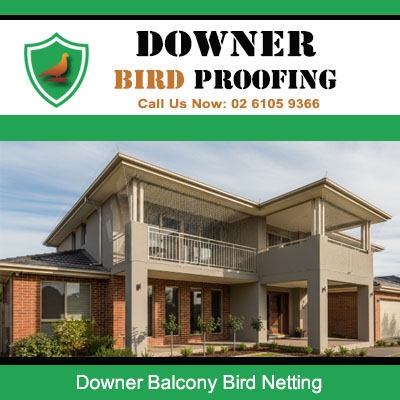
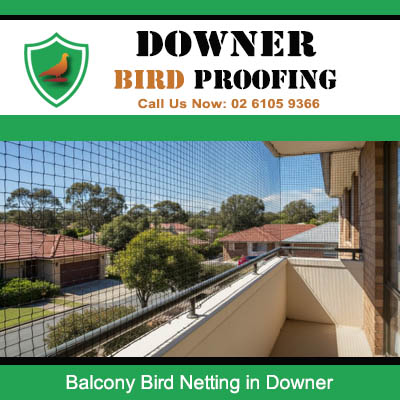
Balconies in Downer, Sydney, often face problems with birds and wildlife causing damage and mess. Downer balcony bird netting offers a simple and effective way to keep birds away while protecting your property. This durable and weatherproof balcony netting forms a safe barrier that stops birds and pests from entering outdoor areas. Using high-performance bird netting for Downer homes and businesses helps keep outdoor spaces clean, healthy, and preserves property value.
Bird netting Downer options are eco-friendly and easy to install. Whether you need bird netting for balconies in Downer or bird protection for strata buildings, this solution provides reliable pest control without harming the environment. Many customers praise the quality, safety, and low maintenance backed by warranties and positive reviews.
Choosing bird netting for Downer properties is a smart way to prevent damage, reduce insect pests, and improve your home or business's outdoor areas. It is a practical home improvement that combines usefulness with care for the environment.
Importance of Balcony Bird Protection in Downer
Balcony bird protection in Downer is important because birds can cause health risks, property damage, and environmental issues. Bird droppings may carry diseases harmful to people and pets. Birds can also attract other pests like rodents and insects. Good bird netting stops infestations and prevents problems such as nesting and loud noise.
Downer balcony bird netting choices offer a safe and humane barrier to protect your property and keep its value. This is especially important for strata and residential buildings where many people share outdoor spaces. Regular checks and upkeep of balcony netting help maintain protection against damage from birds and pests.
Using bird netting on your balcony in Downer also supports local wildlife by discouraging harmful behaviour without hurting the birds. This eco-friendly method balances human needs and nature, making it popular among homeowners and businesses across New South Wales.
Overview of Common Birds in Downer That Affect Balconies
Balconies in Downer often attract several common bird species that can cause problems. These include pigeons, silvereyes, and hawks. These birds are native or urban species often seen around Sydney. They may nest on balconies, leaving droppings that harm property and create health concerns.
Pigeons stay for long periods and can bring cockroaches and other pests. Silvereyes, though smaller, can be a problem because they travel in groups. Hawks, less often seen, sometimes hunt smaller birds, which affects the local environment.
Knowing about bird behaviour and seasonal habits in Downer helps you choose the right bird netting for your balcony. Humane control methods protect native birds while preventing damage and pest problems. This knowledge helps create fair and lasting bird control plans.
How Bird Netting Helps Protect Your Balcony and Property Value
Putting bird netting on your Downer balcony is an affordable way to protect your property and increase its value. Balcony netting acts as a strong, safe barrier against unwanted birds. It reduces damage and bird droppings that can ruin surfaces and lower your property's appeal.
For both residential and commercial strata buildings in Downer, bird protection netting is a good investment. It helps keep residents safe from diseases spread by birds. The netting is made from tough, weather-resistant materials, making it last a long time with little maintenance.
Property owners and managers benefit from nicer-looking buildings and fewer repair costs. Bird netting also supports the environment by using eco-friendly designs that keep wildlife safe while protecting your outdoor space.
With proper setup and care, Downer balcony bird netting works well, protects your investment, and improves how much you enjoy your property.
If you have questions about balcony bird netting in Downer, please leave a comment or contact us to learn more about effective bird control solutions for your needs.
Selecting the Right Bird Netting for Your Needs
What are the different types of balcony nets available?
When choosing balcony bird netting, it helps to know the different types available. Balcony nets come in various materials and strengths for both homes and businesses. Common types include heavy duty mesh, flexible nylon netting, durable HDPE (high-density polyethylene), and steel wire netting.
- Heavy duty and premium netting: Built to last, these nets can handle tough weather and provide strong protection against birds.
- Flexible nylon and HDPE netting: These are light but strong, and fit well on balconies of different shapes.
- Steel wire netting: Offers strong protection, often used in commercial bird control where extra strength is needed.
- Weatherproof and anti-bird options: These stop damage from bird droppings and help keep your property in good condition.
In Australia, especially Sydney, using a supplier like Downer Bird Proofing means you get local knowledge and high-quality products suited to your balcony.
What mesh size is appropriate for my balcony?
Picking the right bird mesh size is important to keep birds away from your balcony. Mesh size means how big the holes in the netting are. This decides which birds or pests can pass through.
- A 5mm mesh size is small enough to stop most pest birds like pigeons and other small wildlife.
- Larger holes, like a 19mm mesh size, may let smaller birds in but are easier to fit and cost less. However, they do not block birds as well.
Using the right mesh size protects your balcony from bird droppings and damage. It also keeps your outdoor space clean, which can help maintain or increase your property value.
How do I measure my balcony for bird netting installation?
Getting the correct measurements is key to fitting Downer balcony bird netting properly. Follow these steps:
- Measure the width, height, and depth of the balcony area you want to cover.
- Check for unusual shapes or features that might affect the netting size.
- Add 10-15cm extra to each measurement to make sure the netting fits well and can be securely fastened.
- Decide if you want to install the netting yourself (DIY) or hire professionals for safety and best results.
- Use a tape measure and take measurements more than once to avoid mistakes.
Right-sized netting is easier to fix in place and stays secure, even in Australia’s outdoor weather.
What materials are used in durable netting options?
Durable and reliable materials matter when choosing bird netting. Here are common options available in Australia:
- Nylon: Light and flexible, nylon netting suits most home balconies. It resists UV rays and bad weather, so it lasts longer.
- HDPE (High-Density Polyethylene): Strong and weather resistant, HDPE is also eco-friendly and often recycled. It works well for homes and commercial needs.
- Steel wire and stainless steel: These are very strong for heavy duty uses. Stainless steel also stops rust.
- Plastic netting: Sometimes mixed with other materials to give flexibility and durability while keeping costs lower.
All materials should meet Australian standards for bird protection. Choose based on your balcony’s exposure, your budget, and how much bird control you need.
If you have questions about picking or installing bird netting, leave a comment below or contact the experts at Bird Proofing in Downer for advice and professional service.
Professional Installation vs. DIY Bird Netting

What are the advantages of professional bird netting installation?
Choosing professional bird netting installation for your balcony or property has many benefits. Expert bird control services provide netting that is durable, secure, and effective against pest birds. Professionals use premium materials that are weatherproof and long-lasting, giving you protection all year round. They have experience with both commercial bird and residential installations, ensuring a tight and safe fit to keep birds out.
Professional installers often offer warranties and special offers, giving you confidence and good value for your money. They understand building rules and strata regulations, so the netting meets safety standards and looks good on your property. A professional job usually lasts longer and needs fewer repairs, saving you time and money.
What tools and materials do I need for DIY balcony net installation?
If you choose to install balcony netting yourself, having the right tools and materials is very important. Common items include:
- Bird netting made from nylon or HDPE (high-density polyethylene), which is lightweight, strong, and weatherproof.
- Steel wire or plastic supports to hold the netting firmly.
- Zip ties or suitable fasteners for a tight fit.
- Gloves to protect your hands.
- Multi-tools such as scissors, pliers, and measuring tape.
- Supplies from a hardware store for home improvement projects.
Pick the mesh size carefully to stop birds from getting in but still allow light and air through. Choose flexible and durable materials made for balcony netting to keep your installation safe and long-lasting.
How can I ensure a secure and effective net installation?
To make sure bird netting installation is secure and works well, follow these steps:
- Measure your balcony or building area carefully to avoid any gaps.
- Use strong and weatherproof materials like heavy-duty nylon or HDPE netting.
- Attach the netting tightly using sturdy support wires, zip ties, or hooks.
- Tie secure knots and check all fastenings to prevent loosening over time.
- Inspect the net regularly for any damage, wear, or holes birds could get through.
- Follow expert advice on maintenance and choose the right mesh size based on local bird types.
A well-fitted net protects your property and keeps it safe. Good installation also lowers the chance of pest problems and future repairs.
What are common mistakes to avoid when installing the net myself?
DIY bird netting can save money but may cause problems if done wrong. Avoid these common errors:
- Measuring incorrectly, which leads to loose fitting or gaps.
- Using the wrong mesh size that allows small birds to enter.
- Choosing poor quality or non-weatherproof materials that wear out quickly.
- Not securing the net properly, causing it to sag or tear.
- Ignoring safety by not wearing gloves or handling tools badly.
- Failing to check for damage often, allowing holes and ineffective bird control.
- Skipping weatherproofing steps, which shortens how long the net lasts.
- Lack of experience, which can lead to pest infestations and more bird droppings.
Planning carefully and following clear instructions help your bird netting balcony installation stay safe and last longer.
Do you have questions about choosing between professional and DIY bird netting? Share your thoughts or experiences below! For expert advice and reliable bird netting Downer solutions, look for trusted providers with warranties and experienced service teams.
Maintaining Your Balcony Netting for Long-Term Protection
How often should I inspect my netting for damage?
Checking your bird netting balcony regularly helps keep it working well and protects your property value. Downer balcony bird netting faces outdoor weather, debris, and pests that can cause holes or tears over time. You should inspect the netting at least every three months. After strong winds or storms, check it more often. When inspecting, look carefully for any damage, loose parts, or debris that might reduce the netting’s durability and safety. Fixing problems early keeps the netting effective at keeping birds out and protects your outdoor space.
How do I clean bird netting to remove debris and droppings?
Cleaning your balcony bird netting often is good for health and upkeep. Bird droppings and debris on bird protection netting can carry diseases and make the area look dirty. Use a safe and eco-friendly method to clean the netting without harming pets or the environment. First, gently brush off loose debris with a soft brush. Then rinse the nylon or HDPE netting with water. Avoid harsh chemicals; if needed, use mild soap. Cleaning keeps the netting weatherproof, durable, and lightweight while protecting your outdoor area well.
What are the best practices for repairing tears or holes in the netting?
Fix tears or holes quickly to keep your bird netting for balconies working well. Downer balcony netting is made from strong materials like nylon and HDPE that stand up to outdoor weather. To repair, use an upholstery needle and strong thread made for outdoor use to sew small tears or holes securely. For bigger damage, you may need to replace parts of the netting. Make sure repairs are tight and weatherproof to stop pests from getting in. Use the right tools and work carefully to avoid making damage worse. Well-kept netting helps control pests and lasts longer.
How long does balcony netting typically last with proper care?
With regular care and quick repairs, balcony netting in Downer can last many years. Good quality, weather-resistant materials like heavy-duty nylon or HDPE give long life. Regular inspections and cleaning keep the netting strong and protective over time. Some high-quality bird netting products come with warranties, showing they are built to last. Choosing durable, eco-friendly balcony netting saves money because it keeps your outdoor space safe and maintains property value. Buy from trusted suppliers who share clear information about the material quality and expected lifespan.
Have questions about maintaining your balcony netting?
We’d love to hear from you! Share your experiences or ask for tips in the comments below. Keeping your bird proofing solutions in top shape is easier with the right advice and support.
For more detailed guidance on bird netting installation and maintenance, explore our comprehensive bird proofing resources.
Exploring Balcony Bird Netting Alternatives
What are the drawbacks of using bird spikes instead of netting?
Bird spikes are often used instead of Downer balcony bird netting for bird control. While bird spikes are durable, weatherproof, and easy to install, they have some drawbacks. Spikes might not cover large balcony areas well, leaving spaces where birds can still land. This can cause ongoing pest control issues as birds find ways around or between the spikes.
Bird spikes can also harm birds if not installed properly, which raises concerns about humane bird protection. They need regular cleaning and maintenance to work well. If spikes are not kept in good condition, they can lower property value and pose safety risks for both wildlife and people. For residential and commercial properties, bird spikes may be less practical than full balcony netting.
How effective are sonic devices for deterring birds from balconies?
Sonic devices provide a humane way to control birds by making sounds that keep birds away from balconies. These devices work well for bird control, especially when used with other bird protection methods. Sonic devices create an uncomfortable environment for birds without harming them or affecting other wildlife.
However, how well they work depends on the type of birds and the surrounding environment. The noise from sonic devices should not bother residents or neighbours. Sonic devices are safe for the environment and people but usually work best when combined with durable and weatherproof balcony netting or other pest control options.
Can visual deterrents like scarecrows provide similar protection?
Visual deterrents such as scarecrows use sight to frighten birds away in a humane way. These tools can help protect balconies and keep property value by reducing damage from birds.
But over time, birds can get used to scarecrows, which lowers their effectiveness. Visual deterrents often work better for short periods or as part of a bird protection plan including other methods. They are easy to install and maintain but usually do not offer the same reliable pest control as bird spikes or bird protection netting alone.
What are the benefits of combining multiple bird control methods?
Using several bird control methods together gives the best chance to stop birds from causing problems on balconies. Combining bird protection netting with sonic devices, visual deterrents, or bird spikes covers different bird habits and makes pest control more effective.
This approach improves the durability and success of bird protection while treating wildlife humanely. It also cuts down on maintenance because relying on just one method often means more repairs or replacements. For homes and businesses, using multiple bird control options helps keep people safe, protects property value, and supports a healthier environment.
A plan using several bird control methods fits your needs and provides the best long-term results. Experts in bird control, like Downer Bird Proofing, can help pick the right mix of durable, weatherproof, and humane solutions.
Have you tried any bird control methods on your balcony? Share your experiences or questions below, we want to know how you keep your outdoor space safe! For advice on effective and humane bird protection netting, check out our guides and product choices.
What types of bird netting are good for protecting balconies and outdoor areas?
For balconies and outdoor spaces, flexible nylon or heavy-duty mesh nets work well. These nets stop pigeons and other pests from nesting or damaging balconies, courtyards, and outdoor furniture. They are weatherproof and last long in Australian climates.
How does bird netting help protect your garden and fruit trees?
Bird netting around fruit trees and garden plants keeps birds and insects from harming crops and plants. It helps keep the soil healthy, lowers the chance of pests like termites and cockroaches, and supports eco-friendly gardening and plant growing.
Can bird netting be installed on fences, awnings, or roofs?
Yes, bird mesh can be attached to fences, awnings, roofs, and stair railings to protect buildings from bird problems. Good installation makes sure it protects well without harming the environment or lowering property value.
What safety equipment should I use when installing bird netting?
It is important to wear gloves and use multi-tools made for outdoor work. Using strong materials like stainless steel ties and UV-resistant netting also helps make the netting last longer and meet local rules.
Is bird netting a safe and kind way to stop pest birds and animals?
Yes, bird netting stops birds such as pigeons and hawks from nesting without hurting them. It helps reduce disease spread and stops damage to musical instruments or home items without harming wildlife.
Can bird netting be used in places like nurseries, child care centres, or warehouses?
Yes, many businesses use bird control nets in nurseries, child care centres, and warehouses. These nets protect plants, crops, and stored goods while following environmental rules and keeping workers and customers safe.
How does bird netting handle tough weather and maintenance?
Good bird netting stands up to strong winds, rain, and sun. Regular checks and cleaning keep it working well. The durable material resists tears and damage, so it lasts a long time.
Where can I buy bird netting and tools for DIY installation in Australia?
You can find bird netting and related hardware at stores like Bunnings or online suppliers. Look for Australian-made, recycled, and eco-friendly products for home improvement projects that protect your garden, balcony, and outdoor areas.
Downer Balcony Bird Netting Insights
- Bird infestations on balconies and in fruit trees can cause serious damage and health issues. Using heavy-duty, weatherproof Downer balcony nets helps protect your outdoor areas and crops effectively.
- We offer strong bird netting made from quality nylon and steel wire, suitable for homes, commercial buildings, and strata properties in Duffy, Farrer, Fyshwick, Giralang, Hume, and other parts of Canberra.
- Our eco-friendly and recyclable anti-bird netting reduces pest problems caused by pigeons, cockroaches, termites, and other insects that harm gardens and home improvements.
- Installing protective gear like Downer balcony nets keeps courtyards clean, prevents bird droppings, and protects fruit trees, vineyards, and turf from pests and wildlife.
- The nets are simple to install on fences, pavers, roofs, and balconies. They offer a flexible, effective way to keep birds and rodents out without harming them.
- Available in sizes like 19mm mesh, our premium bird netting stands up to harsh weather and UV rays, making it perfect for use all year in workshops, gardens, and outdoor spaces.
- We support customers across Western Australia, Canberra, Lyneham, and more, with fast shipping from warehouses and stores like Bunnings.
- Our products help with property management and landscaping by reducing the need for pruning fruit trees, lowering erosion control issues, and preventing damage to cabinetry, floors, and outdoor furniture.
- Made to last, the netting resists tearing and damage from animals like hawks and cats, providing humane and effective pest control for apartments, multi-unit homes, and standalone houses.
- We offer easy DIY installation guides and commercial bird control services for larger projects to ensure full coverage and long-lasting protection.
- Customers can shop online for tools, gardening supplies, and related products, enjoying special offers, quick delivery, and expert advice in the Australian market.
- Using our bird netting keeps properties looking good and free from infestations in places like balconies, courtyards, and plunge pools while supporting local wildlife and pets.
- We provide detailed information on choosing the right net type, installation tips, and care advice, all following industry rules in ACT and across Australia.
- Our focus on sustainability means we offer recycled materials and support eco-friendly practices that protect crops, gardens, and the wider environment from pest damage.
- Contact us or subscribe to our newsletter for updates on new products, project ideas, and special deals designed for homeowners, strata managers, and businesses. Latitude: -35.20173854424681, Longitude: 149.10738803767714