
Downer Commercial Bird Netting
Downer Commercial Bird Netting provides reliable bird exclusion with heavy duty mesh designed for commercial bird proofing needs. Our solutions use durable materials like HDPE and stainless steel to protect your property from pests and wildlife effectively.
Call Now!
Understanding Commercial Bird Netting Materials
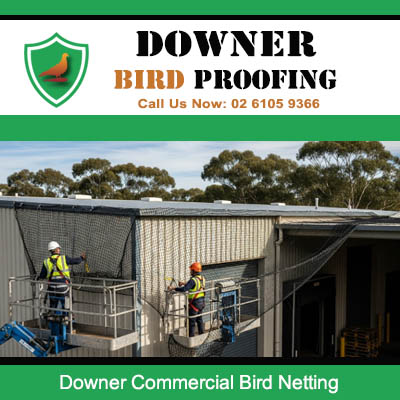
What materials are best for different commercial bird netting needs?
Choosing the right material is important for effective commercial bird netting. Common materials include HDPE (High-Density Polyethylene), polyethylene, polypropylene, stainless steel, and twine. Each has specific strengths suited to different bird netting needs.
- HDPE and Density Polyethylene: These plastics offer strong durability, making them ideal for heavy duty bird netting. Their knot and crossweave designs improve toughness against bird damage and weather. HDPE netting is light but strong, providing premium bird protection netting solutions in Australia.
- Polypropylene: This plastic resists chemicals and weather well. It is a good choice for commercial bird netting options that need moderate durability at a lower cost.
- Stainless Steel: This material is best for high-risk or industrial areas needing maximum strength. Stainless steel netting is rust-resistant and tough but heavier than plastic options.
- Twine: Twine netting is used for lighter or temporary bird protection netting. It works well for small gardens but is not suitable for long-term commercial use.
For commercial buildings, warehouses, orchards, and gardens, using durable, Australian-made products ensures longer life and meets local standards. Features like premium zippers and reinforced fabric add strength and make the netting easier to use.
How does the material affect the netting's durability and lifespan?
The type of material directly affects how long the netting lasts, its weight, and its resistance to weather. UV resistance is especially important in Australia to stop sun damage.
- UV Stabilised HDPE and Density Polyethylene: These materials include special additives to block harmful UV rays. This helps the netting stay strong and avoid cracking or fading over many years.
- Weight and Thickness: Commercial bird netting usually weighs between 70gsm and 105gsm. Heavier netting is more durable but can be harder to install. Downer Bird Proofing suggests choosing the right weight based on your needs.
- Crossweave Construction: This design spreads stress evenly across the net to prevent tears from birds or weather.
- Fire Retardant Options: Some commercial bird netting includes fire retardant qualities to meet Australian safety rules, especially near commercial buildings.
Strong materials and good manufacturing extend netting life, lowering the need for replacements and repairs.
Is HDPE bird netting suitable for long-term commercial use?
HDPE bird netting is well known for being tough and suitable for long-term commercial use. Its key benefits include:
- Heavy Duty Strength: It resists bird pecking, wind, and weather damage.
- UV Protection: Treated to handle strong Australian sunlight without breaking down.
- Fire Retardancy: Many HDPE nets meet fire safety standards with fire retardant treatment.
- Weather Resistance: The material stands up to moisture, mould, and chemicals.
Because of these qualities, HDPE density polyethylene netting is a popular choice for commercial bird netting in Australia. It offers a balance of strength, long life, and value to protect properties effectively.
Are there fire-retardant netting options available for commercial buildings?
Yes, fire-retardant commercial bird netting is available and recommended for protecting commercial buildings. These nets meet Australian fire safety standards and reduce fire risks while stopping birds.
- Fire-retardant netting is often made from treated HDPE or similar plastics that resist catching fire and slow flame spread.
- This type of netting suits industrial sites, warehouses, and other areas where fire safety is key.
- It provides safe protection without losing durability or bird control.
- Downer Bird Proofing can help find fire-safe netting to fit specific site needs.
Using fire retardant bird netting protects property from both bird damage and fire risk, supporting workplace safety and meeting legal requirements in Australia.
Have questions about which bird netting material fits your commercial project? Share your thoughts in the comments below. For expert advice on bird netting solutions in Australia, contact Downer Bird Proofing. We supply durable, compliant, and effective bird exclusion netting designed for your business.
Choosing the right mesh size for Downer commercial bird control
Choosing the right mesh size is important when picking commercial bird netting for effective bird control. Mesh size means the distance between the knots in the netting. It directly affects how well the net keeps birds out while allowing air to pass through. Commercial bird netting, often made from high-density polyethylene (HDPE), comes in different mesh sizes and weaves, such as knotted diamond patterns. At Downer Bird Proofing, knowing these details helps provide the best bird exclusion options for your needs.
Common mesh sizes include 19mm and 11mm for heavy-duty use. These sizes stop many types of bird pests and are strong enough to last in Australian weather. The dense polyethylene material protects the net from UV damage and rough weather, making commercial netting lasting and effective. Whether you need protection for poultry farms, warehouses, or orchards, selecting the right mesh size helps protect crops and buildings while keeping air flowing.
Knotted commercial netting is stronger than knotless types. It suits bird protection that needs tough, heavy-duty netting. Whether you want ultra-heavy-duty netting for serious bird problems or lighter netting for general use, picking the right mesh size based on the birds and the site is key to success.
How does mesh size impact the effectiveness of commercial netting?
The mesh size affects how well commercial bird netting works. Smaller mesh sizes create tighter nets that stop even small birds from getting through. For example, 11mm mesh bird exclusion netting is good for keeping small birds out and offers strong bird control for commercial uses.
Larger mesh sizes, like 19mm, balance bird exclusion and airflow better. They allow more air to move while still keeping out many bird pests. The type of weave, often knotted for strength, also helps the net resist damage from weather and birds.
Good bird protection means choosing a mesh size that matches the birds you want to block. Heavy-duty bird netting made from dense polyethylene twine with a knotted diamond pattern lasts longer. It resists tearing and sun damage, giving reliable bird proofing. For poultry and farms, the right mesh size helps reduce crop loss and keeps the area clean. This supports bird control solutions that work well and are practical.
What's the ideal mesh size to deter pigeons from a warehouse?
Pigeons often cause problems in places like warehouses. To keep pigeons out, using commercial bird netting Downer with a 19mm mesh size is a common choice. This size is small enough to stop pigeons but still allows air and light to pass, which is important inside buildings.
The knotted diamond weave in 19mm mesh bird exclusion netting is strong and flexible. It fits building shapes well without sagging. There are also fire-retardant and stainless steel options that improve safety and last longer, which is important for warehouses with strict rules.
Bird protection netting with this mesh size helps bird control Downer services by stopping pigeons from nesting or roosting. Choosing the right commercial netting options Downer makes bird pest control effective without affecting warehouse operations.
Does the mesh size affect airflow and light penetration for fruit protection?
Mesh size does affect airflow and light, which matter for healthy fruit trees in orchards. Smaller mesh sizes, like 19mm, block birds well but might limit air and light a bit. This can affect plant growth if not picked carefully.
Bigger mesh sizes, such as 80mm, let in more air and light. These are good for bigger fruit trees or spots where the main goal is to keep out larger birds. The net’s design knotted or knotless and its UV resistance also impact how much shade it makes and how long it lasts in the Australian sun.
Choosing the right mesh size and material helps commercial netting protect crops and plants without blocking too much sunlight or air. Using shade cloth together with bird netting can reduce insect pests while helping fruit grow well in farming.
Are there different mesh sizes recommended for netting in gardens versus orchards?
Yes, garden and orchard netting need different mesh sizes because of the plants and birds in each place. Gardens can use larger mesh sizes, like 10cm to 20cm, which keep out common birds but still let in plenty of light and air for vegetables, herbs, and small plants.
Orchards usually need smaller mesh sizes, around 19mm to 80mm, depending on the fruit tree type and which birds to block. Knotted commercial bird netting is better for its strength, especially in Australia where sun and weather can damage nets.
Garden netting often has insect repellent features or uses lighter polyethylene twine to protect many plants without causing too much shade. Orchard netting focuses on strong bird exclusion, pest control, and lasting bird protection. Picking the right mesh size creates effective bird Downer netting systems for each area, keeping crops healthy and productive.
Questions for Readers:
- What bird species cause the most problems on your property? Have you thought about mesh size when choosing bird exclusion netting?
- Would you choose stronger, heavier duty commercial bird netting or lighter options that let in more air and light?
Feel free to share your thoughts or ask questions in the comments below. Experts at Downer Bird Proofing can help you find the best commercial bird netting for your needs.
For more information on bird netting materials and installation, visit our commercial bird netting solutions page or contact Downer Bird Proofing for advice.
Understanding Commercial Bird Netting Materials
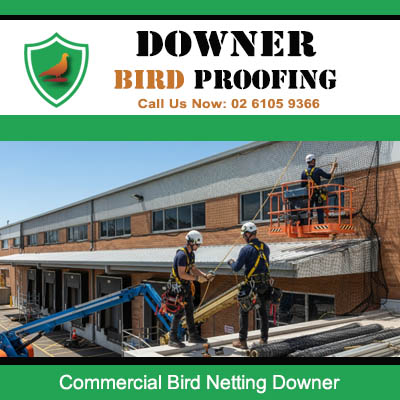
Commercial bird netting materials play an important role in how well bird exclusion products work and last. Downer commercial bird netting is made from strong materials like HDPE (high-density polyethylene), polypropylene, polyethylene, stainless steel, and plastic cloth. These materials suit different commercial uses such as agriculture, gardening, warehouses, and pest control.
Bird protection netting comes in different mesh sizes and thicknesses, including 70gsm density polyethylene knotted nets and 105gsm crossweave patterns. These are designed to be tough and suitable for heavy-duty use. Many nets are UV resistant and fire retardant, making them good for outdoor and industrial settings, especially in Australia’s climate. The weight and strength of each material affect how long the net will last and how well it handles weather, pests, and wear.
Choosing the right commercial netting means looking at your specific bird control needs, the environment, and safety rules. Downer bird protection netting combines strong materials with special treatments to perform well over time.
What materials are best for different commercial bird netting needs?
The best material for commercial bird netting depends on where and how it will be used:
- HDPE (High-Density Polyethylene): Great for heavy-duty bird netting. It has strong UV protection, lasts a long time, and suits agriculture, gardens, and warehouses.
- Polypropylene: Light but strong. Good for medium-duty jobs where the net needs to bend and be easy to install.
- Polyethylene: Resists UV rays and weather well. Often used in bird control commercial areas that need medium to heavy protection.
- Stainless Steel: Very tough and rust-resistant. Used in high-security or industrial pest control, but costs more.
- Plastic Cloth: Flexible in weight and can be fire retardant. Common in commercial buildings that require fire safety.
The size of the mesh and the weight of the net affect how well it works. Heavy-duty commercial netting with small mesh stops smaller birds and protects sensitive crops or storage. Fire retardant options add safety for warehouses and buildings.
How does the material affect the netting's durability and lifespan?
The choice of material affects how long bird netting lasts and how strong it is:
- UV Resistance: Materials like HDPE and polyethylene have UV protection. This helps the netting last longer in strong sunlight, like in Australia.
- Weight & Density: Heavier nets, such as 70gsm polyethylene knotted or 105gsm crossweave, have better strength and resist tears.
- Fire Retardancy: Fire-retardant nets include chemicals that slow down flames. This is important for safety in buildings and farms.
- Plastic and Cloth Materials: High-quality plastic mixed with treated cloth offers good durability for moderate use at a reasonable cost.
Downer bird netting solutions focus on these features to keep their commercial bird control products strong and useful for a long time. This lowers the need to replace or fix nets often.
Is HDPE bird netting suitable for long-term commercial use?
HDPE bird netting is a top choice for long-term commercial bird control. It has many benefits:
- Strong UV Protection: Special UV-stabilised HDPE stops sun damage, which is key for Australian outdoor use.
- High Durability: It handles physical stress, pest pressure, and harsh weather well.
- Fire Retardant Options: Some HDPE nets also resist fire, making them safer for farms and commercial sites.
- Long Lifespan: With care, HDPE nets can last over 10 years, offering good value.
- Versatile Use: It fits various uses like orchards, warehouses, gardens, and factories, with different mesh sizes and weights including ultra heavy duty.
Downer commercial bird netting uses HDPE’s strengths to deliver reliable bird protection made for Australia and commercial needs.
Are there fire-retardant netting options available for commercial buildings?
Yes. Fire retardant bird netting is available and needed for commercial buildings to meet safety rules. These nets are made from plastic or cloth treated to resist burning and slow flame spread. Important points are:
- Material: Fire retardant nets usually use treated polyethylene or polypropylene with flame-resistant chemicals.
- UV Protection: These nets also have UV stabilisers to last outside.
- Uses: Best for warehouses, factories, and farm storage where fire safety is required.
- Strength and Weight: Usually heavy duty to control pests while keeping people and property safe.
- Compliance: They meet Australian fire safety standards so the nets protect without adding risk.
Downer Bird Proofing offers fire retardant commercial bird netting that balances good bird control with fire safety.
If you have questions about choosing the right commercial bird netting for your site, contact our experts. We can help with advice on bird netting commercial materials and solutions. Feel free to share your experience or ask for recommendations below. Your input helps us provide better Downer bird protection products for your needs.
Maintaining and Repairing Commercial Bird Netting
How often should I inspect commercial netting for damage?
Inspecting commercial bird netting regularly is important to keep it durable and extend its lifespan. The frequency of inspections depends on weather conditions and exposure to UV rays, which cause wear and tear over time. It is best to check the netting at least twice a year, ideally before and after the main bird seasons.
If the netting is in areas with harsh climates or severe weather, more frequent inspections are needed. Checking the netting early helps find small damage before it becomes bigger and more costly. Hiring a professional to inspect the netting ensures that any hidden or minor damage is spotted. Regular inspections help avoid net failure and keep the netting effective for bird and pest control.
What are the best methods for repairing tears in commercial netting?
Repairing tears quickly helps keep heavy duty bird netting strong. Common repair ways include tying knots, patching holes, and stitching with tough materials like HDPE, polyester, or stainless steel twine. For small tears, you can do a DIY repair using crimping pliers and strong twine to secure the area.
For large damage, professional repair services provide long-lasting fixes that restore strength and stop more tears. Patching means placing a piece of netting over the tear and stitching it securely. The stitching should use weather-resistant thread that matches the original material for the best results.
Always use repair materials that are as strong as or stronger than the original commercial bird netting. Good repairs keep the netting working well and lasting longer against bird damage.
Can I clean commercial netting to prolong its lifespan and effectiveness?
Cleaning commercial bird netting helps maintain its effectiveness and increases its lifespan. Removing dirt, mildew, and debris stops the mesh from weakening and keeps it visible to birds, making bird control work better.
Use low-pressure water combined with mild detergent made for outdoor fabrics. Avoid harsh chemicals that can damage the UV protection in heavy duty mesh, such as HDPE. Cleaning also helps control pests and keeps the netting hygienic to avoid attracting birds or other wildlife.
After cleaning, dry the netting fully in a shaded area to protect it from extra UV damage. Regular cleaning keeps the netting strong, looking good, and working to keep birds away.
How do I properly store netting when not in use to prevent deterioration?
Storing commercial bird netting correctly during off-season times prevents damage. Before storing, make sure the netting is clean and completely dry to stop mildew and moisture harm. Fold the netting neatly to avoid putting stress on the fibres.
Store the netting in a dry place away from direct sunlight to protect it from UV damage. Using breathable plastic bags or containers helps keep moisture out while protecting the netting from pests and wildlife.
Do not place heavy items on top of the stored netting to keep its shape and mesh strong. Good storage and packaging greatly improve the netting’s lifespan, so it stays effective year after year.
Cost-Effectiveness of Downer Bird Netting Solutions

What factors determine the overall cost of a commercial bird netting solution?
Several factors affect the overall cost of a commercial bird netting Downer solution. The mesh size is important because smaller meshes protect against small birds but can raise material costs. Using quality materials like HDPE (High-Density Polyethylene) helps improve durability and resistance to weather, UV rays, and chemicals. This means the net will last longer and need fewer replacements.
The weight of the net affects how easy it is to install. Nets made with 70gsm crossweave fabric are light but strong, making installation easier while keeping good performance. Hiring a professional for installation and using proper netting hardware ensures the net fits securely, especially in large areas like warehouses, factories, or orchards.
Other costs include shipping and stock availability. Buying at wholesale prices available in Australia can lower upfront costs. Also, considering the savings from reduced building damage caused by birds shows how cost-effective these bird netting solutions can be.
How does investing in quality netting compare to other bird control methods?
Using heavy duty bird netting has many benefits over other bird control options like bird spikes or pest control chemicals. Unlike spikes, which can be dangerous and look unpleasant, bird exclusion netting forms a safe barrier that keeps birds away without harming them.
High-quality commercial bird solutions with fire retardant netting work well and last longer, even in tough conditions. Getting a professional installation makes sure the net covers all areas correctly, so you won’t need repairs or new netting often.
Netting saves money over time by protecting buildings and crops from damage. Customers often give positive feedback about how durable the nets are and the strength of the netting hardware compared to ongoing pest control treatments.
Can netting improve crop yields or reduce building maintenance costs?
Using commercial bird netting on fruit trees and other crops plant helps increase crop yields by protecting fruit from birds and pests. This kind of bird exclusion stops produce loss and damage, leading to bigger and better harvests.
Netting also protects places like warehouses and factories by preventing bird nests and droppings, which cuts down on building maintenance costs. This keeps buildings cleaner and lowers repair bills.
Combining netting with insect repellent methods helps manage other threats, such as fruit fly infestations. Gardens and orchards benefit from these methods because they support healthier plants and reduce the need for chemicals. This improves crop health and farming profits.
Are there long-term cost benefits to implementing a commercial bird exclusion strategy?
Using a full bird exclusion plan with quality commercial bird netting Downer products offers clear long-term cost benefits. Durable materials and strong installation cut down the need for repairs or replacements, saving money.
Good bird control reduces damage to buildings and crops, lowering maintenance reduction costs and increasing crop yields. Customers often share positive experiences with professionally installed bird netting systems, reporting fewer pest problems and smoother operations.
For businesses in Australia, choosing reliable commercial netting solutions means long-lasting protection, fewer pest control needs, and overall cost savings. Working with professional installers helps get the best results and improves the return on investing in bird exclusion.
Have you saved money using bird netting in your orchard or facility? Share your experience below or contact us to learn how our solutions can protect your assets effectively.
What types of commercial netting systems are best for bird control in warehouses and factories?
Our ultrah heavy duty commercial netting systems, including HDPE mesh and galvanized options, protect industrial areas well. They prevent pest birds like seagulls from causing damage while allowing air and light through, making them ideal for factory outlets and large covered spaces.
How can aviary netting or wildlife netting protect plants and lawns from birds?
Aviary and wildlife netting act as strong barriers to keep birds and animals away from lawns, artificial grass, vegetable gardens, and compost piles. This helps reduce damage to plants while being an eco-friendly option.
What should I look for when choosing bird net solutions for commercial pest control?
Choose nets with 70gsm to 105gsm crossweave fabric, the right mesh size for the bird type, and UV-stable material. Using net attachments and pruners makes installation and upkeep easier. Nets come in rolls from 40m to 75m to cover your area fully.
Can commercial bird services include net installation over canopies or garden landscapes?
Yes. We install netting on canopies, garden landscapes, and structures like girders. Our service ensures nets fit well and stop birds from entering.
Are there discounts or special offers on bulk orders of bird netting?
We often have exclusive discounts and special offers on large orders, including Downer mesh and commercial pest control nets. Subscribing to updates or contacting us will give you current deals.
How does Downer mesh compare to other netting for stopping bird access?
Downer mesh is strong and flexible, making it great for commercial pest control and bird protection. It lasts longer and resists wear better than lighter nets, ideal for tough jobs.
What tools help with installing and maintaining commercial bird netting?
Useful tools include liquid cleaners, 250L tanks for washing nets, gloves for safety, and pruners for trimming plants near nets. These help keep your netting working well for a long time.
Downer Commercial Bird Netting Insights
- We offer Downer avian netting designed to protect homes and businesses from bird issues, including problems caused by seagulls and other wildlife.
- Our birds netting Downer comes with the right mesh size to let air and light through while keeping birds away from areas like lawns, artificial grass, and vege gardens.
- Made from fire retardant materials, our Downer wildlife netting meets safety rules needed in places like warehouses and factories.
- Our Downer protection for birds works well over citrus trees, canopies, and garden landscaping to protect fruit without harming plants.
- The netting for birds Downer fits easily with building parts like girders, offering strong bird control that looks good and lasts long.
- We use strong HDPE mesh with premium zippers in our bird netting fruit systems, so you can open them for care while keeping birds out.
- Our solutions consider different animal behaviours to protect plants and property while treating wildlife in a fair way.
- Adding bird spikes helps stop birds from resting on ledges and buildings, improving protection.
- We install netting in places like compost areas and farms, helping control birds and supporting clean, healthy work environments.
- Our netting for birds downer suits various spaces, from small gardens to large commercial sites, adapting to different needs. Latitude: -35.20173854424681, Longitude: 149.10738803767714