
Downer Bird Netting
Downer bird netting offers reliable bird control netting and protection for fruit trees and gardens across Australia. Our lightweight, stainless steel mesh variations provide effective barriers against birds and pests to safeguard your crops.
Call Now!
Selecting the Right Downer Bird Netting Material
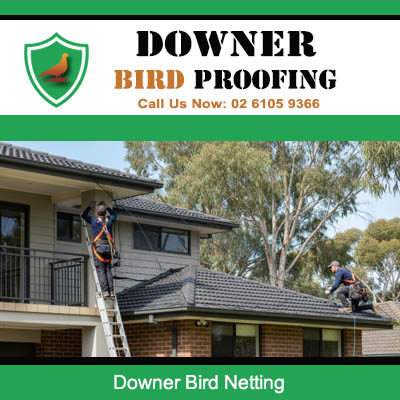
Picking the right bird netting material is important for protecting crops and fruit trees in Australia. The best bird netting is lightweight yet strong, offering long-lasting protection for gardens, farms, and commercial horticultural areas. UV-resistant netting is ideal for outdoor use because it can handle harsh weather and sun without breaking down or fading. This durable netting works as a strong shield against birds and pests, helping your plants stay healthy and productive.
Look for bird netting made for Australian conditions. These nets resist damage from wind, rain, and UV rays better than others. Whether you are covering a small garden or a large orchard, choosing quality bird netting means you get an effective product that lasts and protects your crops well.
What are the benefits of using a UV-resistant bird netting?
UV-resistant bird netting offers many benefits for pest control in Australian gardens and farms. It is designed to stand up to the sun’s damaging rays, which can quickly break down regular netting.
Benefits include:
- Longer life: UV resistance stops cracking and brittleness, so the net lasts longer under the Australian sun.
- Strong protection: Keeps its shape and strength to shield crops, fruit trees, and gardens from birds and insects.
- Weather-proof: Built to handle wind and rain without losing its effectiveness.
- Lightweight and easy to use: Despite being tough, UV-resistant netting is light and simple to install and maintain.
- Cost-saving: Lasts longer, so you don’t have to replace it often, saving money over time.
Using UV-resistant bird netting ensures you get steady protection from pests and harsh weather, perfect for both home gardens and commercial horticulture.
How does the mesh size affect the effectiveness of bird netting?
Mesh size plays a big role in how well bird netting keeps pests out while letting air and light through.
- Fine mesh: Stops small insects like fruit flies from reaching crops but still lets air flow.
- Medium mesh: Blocks most birds and larger insects, good for general garden and farm use.
- Heavy-duty mesh: Has bigger holes but is made from stronger material. It handles wildlife and tough weather better.
Choosing the right mesh size means you protect plants without harming airflow or light. Very fine mesh can hold moisture or limit air, so pick a size that fits your crop and environment.
How does netting weight impact installation and maintenance?
Netting weight affects how easy it is to install and look after, especially on larger properties in Australia. Lightweight netting is usually made from nylon or plastic and has a low GSM (grams per square metre).
Benefits of lightweight netting:
- Easy to install: Light nets are easier to lift and fix, saving time and effort.
- Simple maintenance: Less chance of sagging or damage, so it needs less care.
- Affordable: Costs less because it uses fewer materials but still offers basic durability.
Heavier netting is stronger and better for places with strong winds or more pests. It can be harder to fit but provides extra protection and lasts longer.
Think about your location, weather, and pest problems when choosing netting weight. Using reliable, Australian-made materials helps ensure your bird netting works well and is easy to use.
Ready to protect your crops and garden with bird netting that lasts? Check out our range of durable, UV-resistant bird netting designed for Australian conditions. If you have questions, leave a comment or contact our experts for advice.
Installing Downer Bird Netting Effectively
What tools do I need for installing bird netting?
To install bird netting properly, you need some essential tools and equipment. These include cable ties, hooks, staples, and eyelets to secure the netting tightly. Multi tools like secateurs and scissors help cut and shape the netting to fit your garden or structure.
Wearing gardening gloves protects your hands and makes handling the net easier. A ladder is useful when working with taller trees or buildings. Many people find that buying an installation kit, which includes most of these items, makes the DIY job simple and quick.
Using lightweight but strong materials means the net offers good protection without being heavy. Downer Bird Proofing nets are easy to use, durable, and flexible, making installation smooth for gardeners and home users.
How do I secure netting to different surfaces (trees, buildings, frames)?
The way you attach bird netting depends on the surface – trees, buildings, or frames all need different methods to keep the net secure. For trees, carefully drape the net over branches and fasten it with cable ties or hooks without damaging the bark. Pruning nearby branches can help support the net.
When putting netting on buildings, use strong staples or eyelets along window ledges, eaves, or fence posts. Adding a skirt around the bottom of the net stops birds from getting underneath. On garden frames, cable ties and hooks work well to fasten the net around poles or lattice.
A flexible and strong setup helps the net survive wind and weather while protecting plants. Using multi tools lets you cut and adjust the net so it fits tightly. Lightweight netting is easy to handle, making DIY installation simple and effective.
Is professional installation necessary for downer bird netting?
Professional installation is not always needed. Many people use basic tools and clear instructions to install Downer Bird Proofing netting themselves. DIY installation saves time and money while still giving good protection.
For bigger commercial jobs or tricky buildings, getting expert help can give better and longer-lasting results. Professionals use special tools and methods to keep the net secure for longer. Choosing professional installation may also include a warranty for extra peace of mind.
Customer reviews often say expert advice helps first-time users get good results. Whether you choose DIY or professional installation, Bird Proofing in Downer provides quality products and support for all skill levels.
Have you installed bird netting before? Share your tips or questions below to help others get the best results.
Maintaining and Repairing Downer Bird Netting
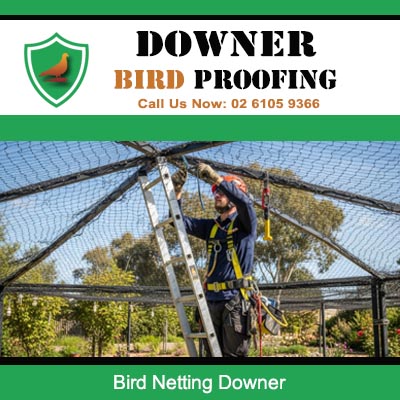
How often should I inspect bird netting for damage?
You should inspect bird netting regularly to protect your garden, crops, and fruit trees from wildlife. Check the netting at least once a month for any signs of wear like tears, holes, or loose parts. It is also a good idea to inspect the netting after storms or heavy weather to find any new damage early. Regular checks help prevent bigger problems and keep the netting strong and effective. This simple step helps maintain your orchard and keeps your plants safe.
What are the best methods for cleaning bird netting?
Cleaning bird netting helps it last longer and work better in your garden or orchard. For lightweight netting made from nylon or plastic, use a hose to wash away dirt, debris, and organic residue gently. Avoid using harsh chemicals because they can damage the netting fibres and shorten its life. If the dirt is hard to remove, scrub lightly with a soft brush and mild soap, then rinse well with water. Keeping the net clean stops pests and damage to plants. These easy cleaning steps will help your bird netting stay strong and last for a long time.
How do I repair tears or holes in bird netting?
Fixing tears or holes in bird netting is simple and keeps pests out while extending the net’s life. Use patch kits made for nylon or plastic nets, which usually include mesh patches and adhesive, for long-lasting repairs. You can also sew torn areas with strong nylon thread for a secure fix. Cable ties work well for quick, temporary repairs by holding loose sections together until you can do a permanent patch. Make sure the repair fully covers the damaged area to stop animals from getting in. Having the right tools makes home repairs easier and keeps your bird netting working well.
Protecting Various Assets with Bird Netting
How does bird netting protect fruit trees from birds?
Bird netting is a simple and reliable way to protect fruit trees from birds and other wildlife. It is made of lightweight mesh that acts as a barrier, stopping birds from pecking at fruits and leaves. This helps keep your orchard or backyard garden healthy by preventing damage and reducing the chance of disease spreading.
In Australian gardens and farms, bird netting is used to protect citrus, stone fruit, and other crops. It creates a physical shield that supports organic pest control without needing chemical sprays. The mesh is strong but easy to put up, making it a good choice for both home gardens and commercial orchards. Using bird netting along with regular pruning helps fruit trees grow healthy and strong.
Bird netting not only protects your crops but also lets wildlife live safely outside the covered area. This way, your produce is safe while native animals remain unharmed.
What kind of coverage is needed for bird protection?
To protect plants well, bird netting must fully cover the area you want to protect. This means fruit trees, vineyards, gardens, or farms need to be completely covered to stop birds from getting in. The size and shape of the space will decide what kind of netting you need, whether for small backyards or large fields.
Choosing UV-resistant and weatherproof mesh ensures the netting lasts in Australian weather. It should be strong yet flexible so it won’t hurt the plants. The netting must be installed tightly to avoid gaps where birds can enter.
There are cost-effective options that fit different sizes and surfaces. Regularly checking and maintaining the netting keeps it working well for a long time and keeps pests out.
What are the advantages of using bird netting in vineyards?
Bird netting gives many benefits in vineyards. It protects grapevines from birds and pests like fruit fly. The netting is light and UV-resistant, making it strong enough for Australian farms while being easy to handle.
By using bird protection nets, vineyard owners lose fewer grapes and get better-quality fruit. The netting also reduces diseases by keeping birds and their droppings away from the vines. It is quick to install and can be used throughout the growing season to help vineyard growth.
The netting is wildlife-friendly and supports organic farming by reducing the need for harmful chemicals. This helps keep the environment balanced while improving crop yield. Companies like Downer Bird Proofing offer solutions suited for Australian vineyards, helping farmers protect their crops safely and effectively.
Have you tried bird netting in your garden or farm? Share your thoughts or questions below to help others choose the right bird protection. For more details on selecting the best bird netting, check out our guides and product lists.
Considering Humane and Wildlife-Friendly Bird Control
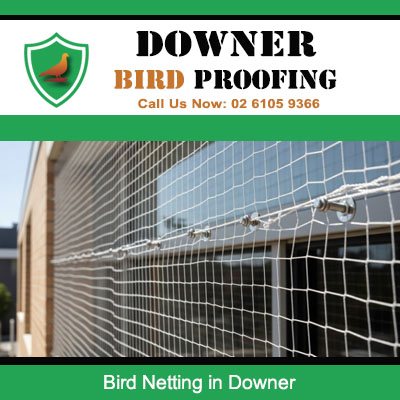
When managing bird pest control, it is important to think about wildlife and animal welfare. Ethical bird control methods protect property and native biodiversity without hurting birds or other animals. In Australia, laws support humane approaches that avoid causing unnecessary suffering. These methods promote sustainability and respect for animal life. Wildlife-friendly techniques help protect native species and support wider environmental goals.
What are the ethical considerations of using bird netting?
Ethical bird netting puts animal welfare first by stopping harm while controlling bird problems effectively. It is key to choose products that follow Australian regulations for protecting wildlife and biodiversity. Poorly installed or cheap netting can trap and injure birds and other animals, which raises serious animal welfare issues.
When choosing bird netting, make sure it is:
- Humane and does not kill animals
- Made to prevent trapping or injury
- Approved under local wildlife protection laws
- Strong and long-lasting to cut down on waste
Respecting these ethical points helps balance pest control and environmental care. Sustainable bird control shows concern for animal welfare and the long-term health of local ecosystems.
How does wildlife-friendly netting differ from standard netting?
Wildlife-friendly netting is designed to keep animals safe while controlling birds well. It has features to reduce harm to birds and other wildlife compared to regular netting.
Main differences include:
- Mesh Size: The holes are sized to stop animals from getting stuck or hurt.
- Materials: Made from lightweight, tough, UV-resistant nylon or stainless steel that lasts in Australian weather.
- Design: Flexible and knotless to reduce snagging and protect animals better.
- Standards: Complies with Australian rules for fair pest control and protecting native species.
This netting works well and cares for animal welfare. It is a good choice for farmers, gardeners, and property owners who want humane and ethical bird pest control.
Are there any alternatives to bird netting for protecting property?
Yes, there are several humane and wildlife-friendly options besides bird netting to protect property. These eco-friendly methods work well for crop and fruit tree protection.
Common alternatives are:
- Bird Spikes: Barriers on ledges and beams to stop birds from landing without hurting them.
- Bird Repellent Sprays: Safe sprays that taste or smell bad to birds to keep them away.
- Ultrasonic Devices: Make sounds that bother birds but cannot be heard by people or pets.
- Visual Deterrents: Shiny tapes, fake predators, or moving items that scare birds naturally.
- Organic Methods: Changing habitat or using natural repellents to reduce bird visits in a sustainable way.
Using these options can lower the need for netting and help protect wildlife long term. For the best advice on your situation, talk to experts in humane bird control to follow ethical practices and Australian rules.
Have you used any wildlife-friendly bird control methods? Share your experiences or questions below to help others find kind and effective solutions. For more information on sustainable bird pest control, visit our bird control resources or contact us for expert help.
What types of bird netting are best for protecting my garden?
Fine mesh bird nets made from durable materials, like stainless steel or quality synthetic fibres with a 5mm mesh size, work best. They protect plants while letting air and light through.
Is bird netting safe and humane for wildlife?
Yes, our bird netting is wildlife friendly and humane. It keeps birds away without harming them or other helpful bugs in your garden.
How easy is it to install bird netting around my garden or orchard?
Bird netting is easy to install with complete kits that include tools and clear instructions. The nets are designed to be simple so you can set them up quickly and securely.
Can I use bird netting in all weather conditions in Australia?
Yes, our downer nets and mesh are made from strong materials that handle tough Australian weather well. They provide reliable protection all year.
Are there different types of bird netting for specific needs?
Yes, we offer various options like downer nets and netting mesh. This lets you pick the right one based on the area you need to cover, mesh size, and local wildlife.
What should I consider when choosing bird netting?
Think about mesh size, material quality such as stainless steel, how easy it is to install, and if it is safe for local wildlife. Choosing products from a leading expert gives you complete and safe protection.
Does bird netting allow beneficial insects to pass through?
Our fine mesh nets block pests and birds but let small helpful insects move freely, helping keep your garden healthy.
Are there organic options to use with bird netting?
Yes, many Australians use organic sprays along with netting. This natural method adds extra bird protection without harmful chemicals.
Downer Bird Netting Insights
- We offer durable bird netting designed especially for bird Downer uses, with various Downer netting variations suitable for places like lawns, solar panels, and equestrian areas.
- Our range includes bird net Downer systems and netting with Downer features that protect plants from pests while allowing proper growth and easy watering weed management in vineyards and orchards.
- Made for heavy use, our net Downer products come in different ply grades, including extra sturdy and organic options, helping with erosion control, revegetation, and tree planting protection.
- We keep a full stock of netting for Downer for many uses, such as maintaining turf, protecting stock, and shielding vegetable gardens from bird damage.
- Our bird pest control netting offers discreet and lasting solutions, ideal for protecting large areas like fields or personal spaces, with easy setup and replacement net options.
- Nets come in various lengths, including -13m and -5m sizes, and weights to fit your needs, supported by expert advice throughout the buying process.
- Customers can choose from many accessories, like clips and hoses, to improve net durability and make setting up easier, which helps with maintenance and revegetation tasks.
- At checkout, you can pick special nets made for tough conditions that protect plants without causing harm, using effective spray systems and organic pest methods.
- Our shopping service offers clear product details, fast delivery, and great customer support. You can read more about each product’s design, personal reviews, and specifications before buying.
- We provide honest listings with useful information about nets that protect crops, lawns, and solar panels, supporting healthy growth and long-term defence against bad weather and birds. Latitude: -35.20173854424681, Longitude: 149.10738803767714